
For family-owned businesses, building customer loyalty isn’t just about repeat sales—it’s about creating long-term relationships that sustain growth, strengthen your reputation, and give you a competitive edge. Loyal customers aren’t just a source of revenue; they’re ambassadors who can carry your business forward for generations. But how do you intentionally cultivate this loyalty in a way that’s profitable and predictable?
At Glenn Smith Executive Coaching, we have the answers. Let’s break it down into four essential steps: finding new customers, satisfying them, retaining them, and making sure they’re profitable.
Finding New Customers
Before you can build loyalty, you need customers to be loyal to! Many family businesses focus so much on serving current clients that finding new ones falls by the wayside. Without a steady influx of new customers, even your most loyal clients won’t sustain growth forever.
So, how do you find new customers in a practical, measurable way?
There are dozens of strategies, from traditional advertising to modern digital marketing. You don’t need to try every method; just the ones that fit your business and resonate with your audience.
Some key options include:
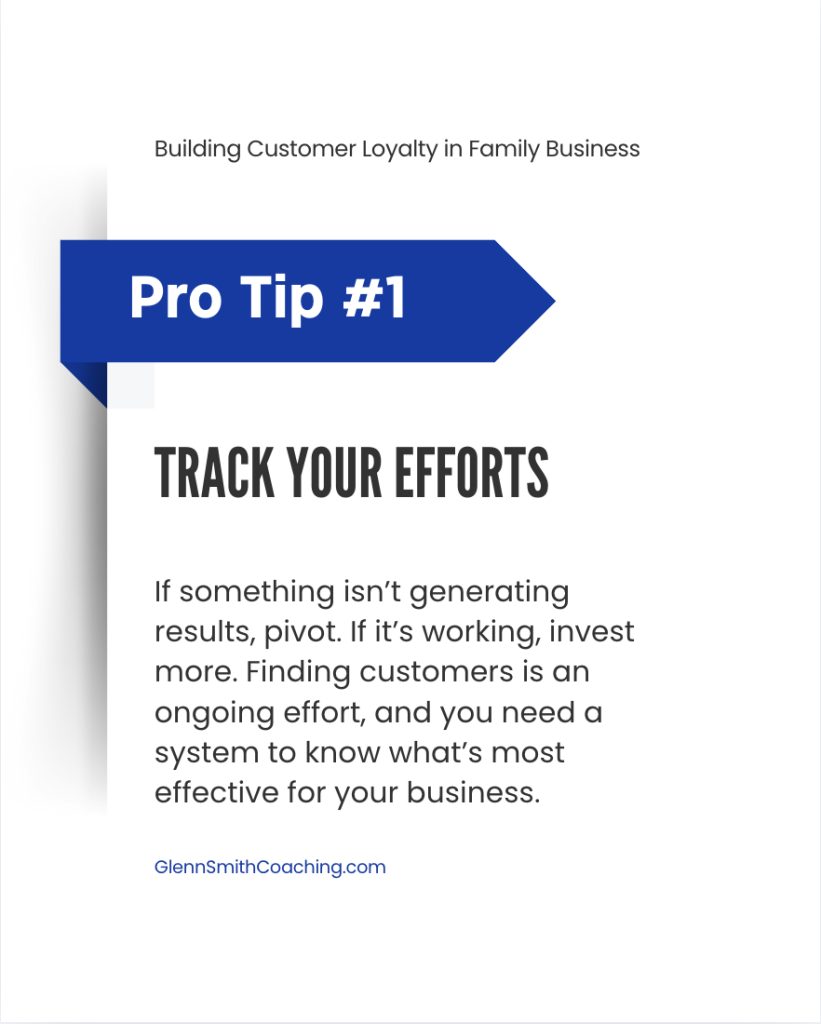
- Referral Marketing for Small Businesses: Your best customers are often your most effective marketers. Encourage them to share your business with friends, family, and colleagues. Offer incentives if it makes sense, but always focus on the relationship, not just the reward.
- Local Networking & Community Involvement: Being active in your local community isn’t just good citizenship; it’s a way to build visibility and trust. Sponsor events, join local chambers, or host small workshops relevant to your business.
- Digital Channels: Social media, email marketing, and an optimized website make it easier for potential customers to find you. Even simple content addressing common industry problems can attract new leads.
- Traditional Advertising: Flyers, local print ads, or radio spots can still work for certain markets, especially if your business has a strong local presence.
Satisfying Your Customers
Once you’ve found your customers, the next step is making sure they’re satisfied. Satisfaction is the foundation of loyalty. Happy customers are more likely to return, spend more, and refer others.
So, how do you know if your customers are satisfied? The answer is surprisingly simple: ask them.
A powerful tool for this is the Net Promoter Score (NPS). This is a simple market research tool that consists of asking your customers a straightforward question: “On a scale of 0 to 10, how likely are you to recommend our business to friends or colleagues?” This gives you a measurable indicator of satisfaction and loyalty.
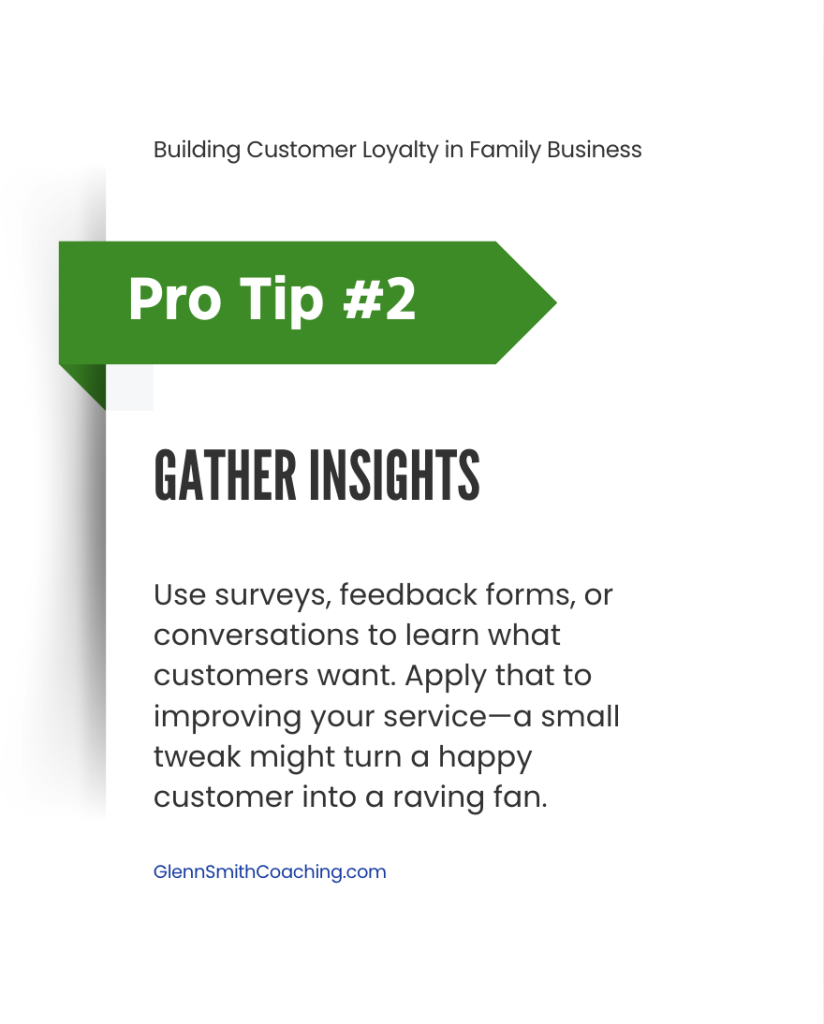
Beyond numbers, listen to why your customers value your service. What makes their experience positive? What problems did you solve for them? Use this feedback to refine your services, enhance the experience, and discover new services you can provide.
Retaining Customers
Satisfaction alone isn’t enough to build loyalty. Retention requires intentional effort. Remember, your competitors are always looking for your customers—they are prime targets for poaching. Your job is to make your business the one they never want to leave.
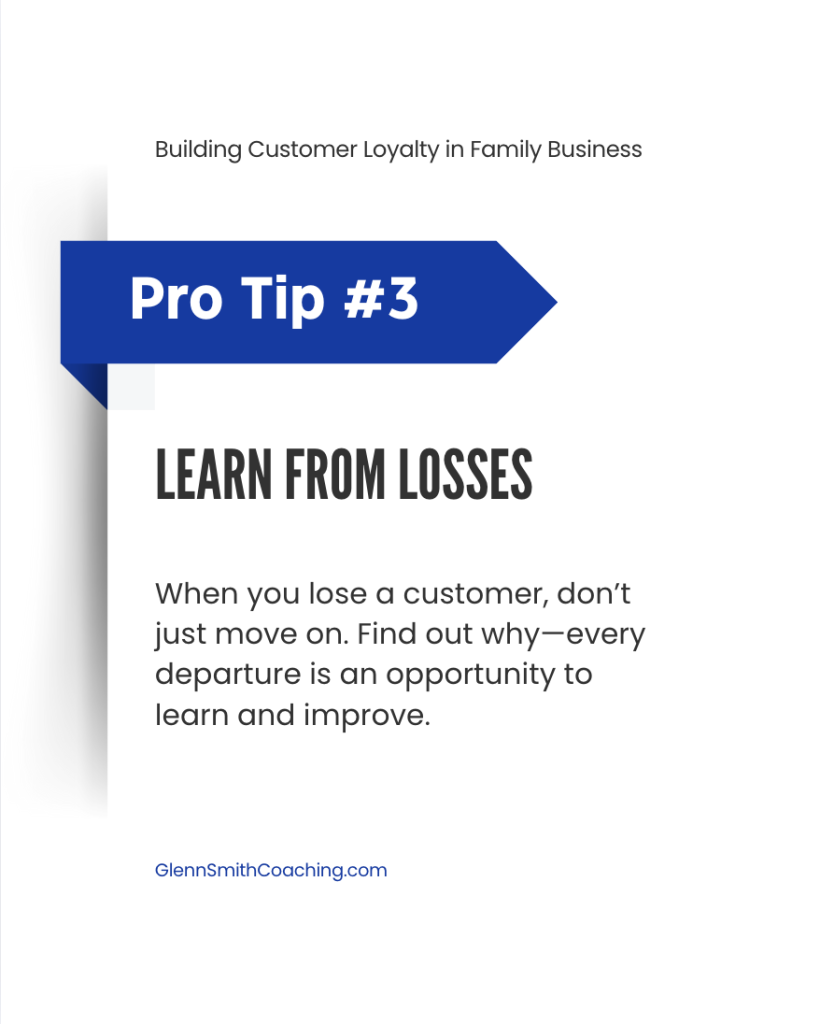
Every business loses customers—it’s just part of the game. But the stronger your strategy for customer retention, the less likely you are to have to scramble to replace departed clients. And if a client does say goodbye? Use it as a learning experience, not a lost cause.
Here are some strategies for retaining customers effectively:
- Regular Communication: Check in with your customers periodically. Share updates, helpful tips, or even a simple thank-you note. Consistent communication strengthens relationships.
- Customer Loyalty Programs: Offer rewards, exclusive access, or recognition for repeat business. These programs signal that you value their loyalty and create incentives for continued engagement.
- Adding Value: Listen to feedback and act on it. If a customer expresses a desire for a new service or improvement, find a way to deliver. Every positive change reinforces that staying with your business is worth it.
- Tracking Metrics: Keep an eye on retention rates and customer lifetime value (CLV). Knowing who your best customers are and understanding the value they bring helps you prioritize resources and efforts.
Making Customers Profitable
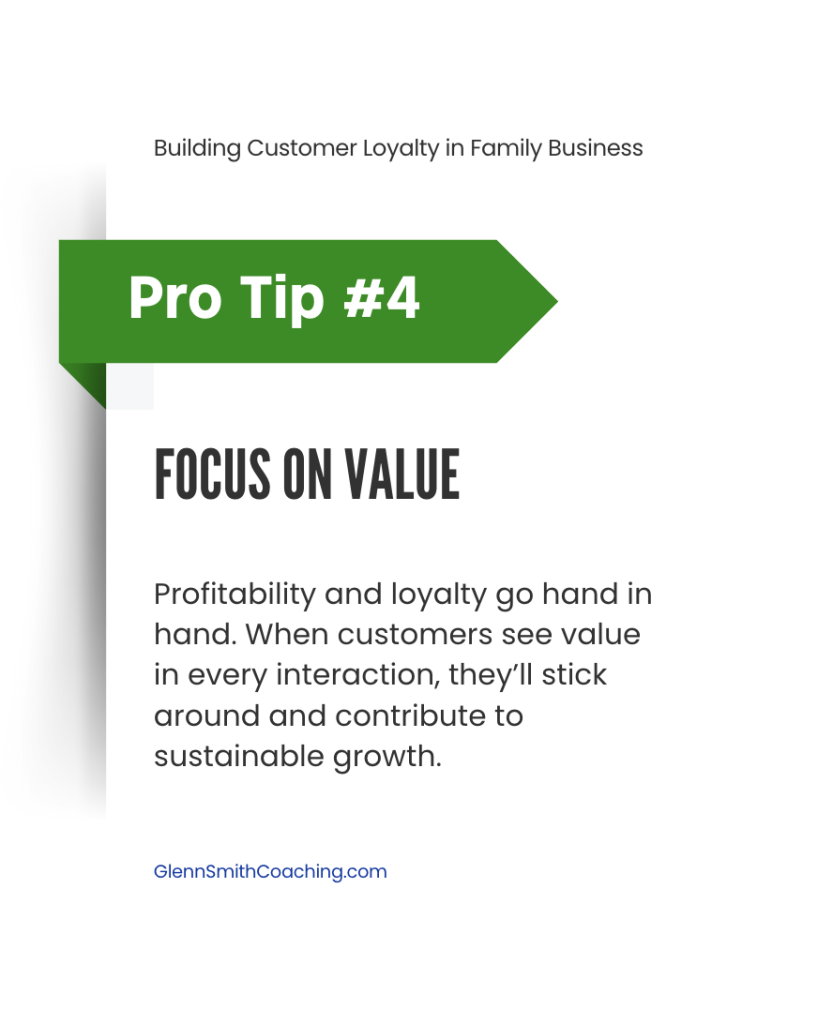
Not all customers contribute equally to your business’s growth. Building customer loyalty isn’t just about keeping customers—it’s about keeping the right customers. You want relationships that are both enduring and profitable.
Here’s how to make sure your loyal customers contribute positively to your bottom line:
- Track the Numbers: Set annual budgets and compare monthly results. Are your most loyal customers also your most profitable?
- Focus on CLV: Think in terms of customer lifetime value, not just single transactions. Some customers may buy less often but remain valuable over years.
- Upsell With Intention: Loyalty gives you insight. Offer complementary products or services that genuinely benefit your customers and increase profitability.
- Prioritize Resources: Invest more time and energy in high-value customers while maintaining service standards for all clients.
Turning Loyalty into a Competitive Advantage
Building customer loyalty in family businesses isn’t just a nice-to-have—it’s a strategic advantage. Loyal customers help you:
- Create opportunities for upsells and growth
- Gain new customers through word-of-mouth referrals
- Maintain predictable revenue streams
- Reduce marketing costs (referrals bring in new leads for free)
- Strengthen your reputation in your community

Family-owned businesses have a unique advantage here. Your personal touch, history, and reputation in the community can foster loyalty that competitors struggle to match. By intentionally focusing on building customer loyalty, you’re not just keeping customers—you’re creating a lasting legacy.
Key Takeaways
- Find Customers Strategically: Experiment, track results, and focus on channels that bring high-quality leads.
- Satisfy Every Time: Use surveys, feedback, and direct conversations to ensure you’re delivering real value.
- Retain Intentionally: Communicate regularly, offer loyalty programs, and respond to feedback.
- Focus on Profitable Relationships: Monitor metrics, prioritize high-value customers, and enhance lifetime value.
- Leverage Loyalty as a Competitive Advantage: Your loyal customers are your business’s strongest asset—protect and nurture these relationships.
Wrapping it Up
Building customer loyalty doesn’t have to be complicated. It’s all about creating consistent strategies that keep your clients coming back. When you understand your retention efforts, connect with your most loyal customers, and act on what you learn, growth follows naturally.
At Glenn Smith Executive Coaching, we help businesses turn loyalty into long-term success. Explore our family business coaching services, dive into our blog for more expert tips, or reach out to Glenn for a one-on-one consultation. Small steps today can lead to lasting relationships tomorrow.